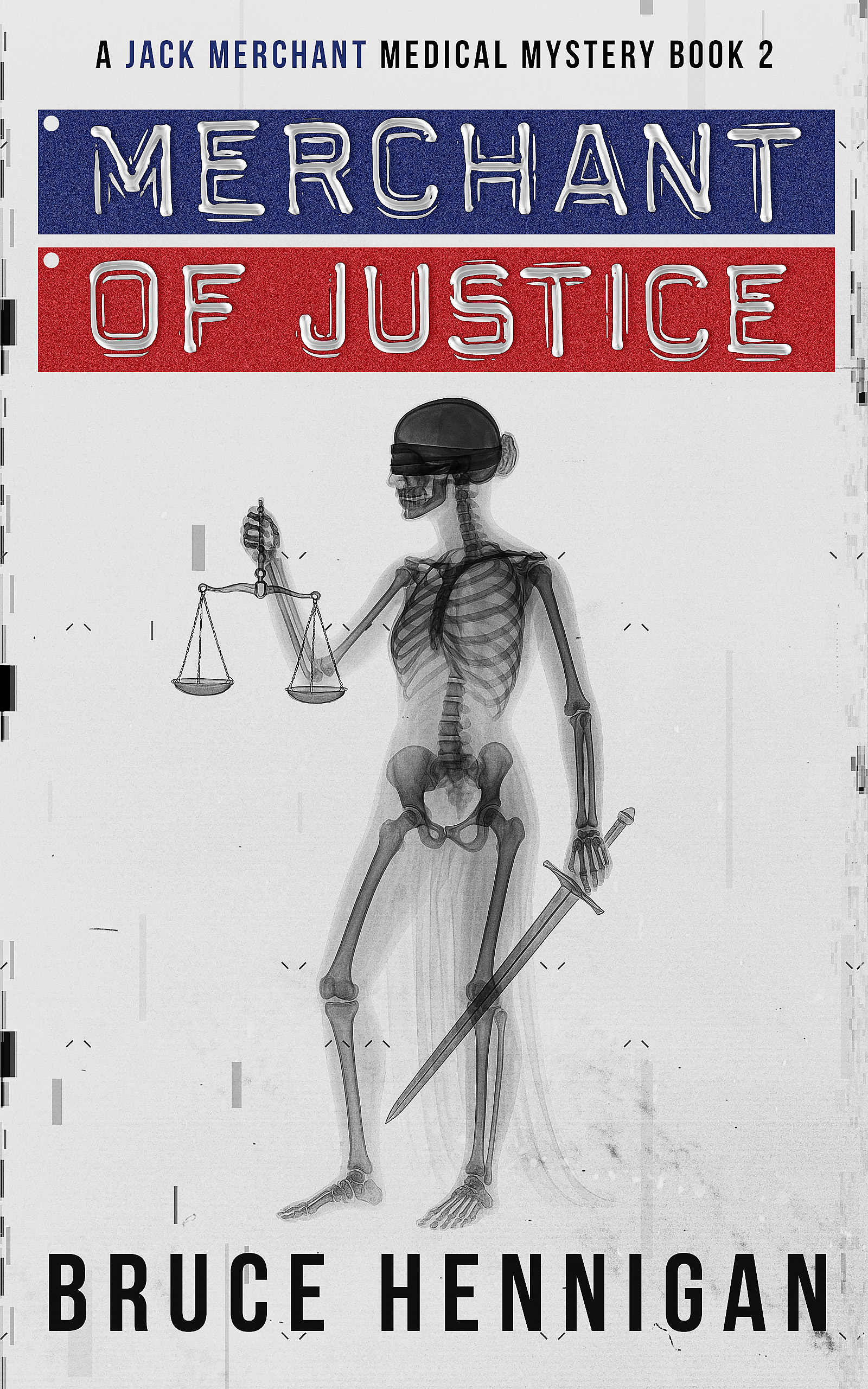
What happens with medicine and justice collide?
Part 1: Trafficking and physical abuse

Last post I mentioned a victim of child abuse, a young boy who was physically abused leading to multiple skull fractures. When such a patient is seen, the doctor and the entity for which the doctor fulfills their duties have very clearly set processes that kick in immediately. I won’t go into details, but doctors, nurses, and other hospital personnel care about the patient and will do whatever it takes to insure their safety now and in the future.
My job as a radiologist is to recognize and clearly describe findings on imaging studies that fit the pattern of physical abuse. Radiologists have very specific phrasing to insure these reports signal the possibility without frankly accusing anyone of wrongdoing. Injuries that resemble abuse can sometimes be truly secondary to accidents and not intentional. We do not want to wrongly accuse anyone of physical abuse. But, at the same time, we do not want to let an abused individual fall through the cracks.
Part of annual training for physicians involves recognizing such dangerous situations as human trafficking. We are required to undergo this training or I licenses will be revoked. For 2025 I had undergo training on how to recognize a patient who might be the victim of trafficking.
The International Labour Organization (ILO) estimates that 49.6 million people are currently trapped in modern slavery, which includes both forced labor and forced marriage. Women and girls make up 71% of all modern slavery victims. Children represent approximately 25% of all victims of modern slavery.
Tracking human trafficking is difficult because it’s an underground crime and there is no simple way to track it. Why? Because, transactions happen in secret, traffickers don’t keep public records, and many victims never report their exploitation due to fear, stigma, or lack of resources.
In the Shreveport/Bossier City area the Hub Ministry works very hard to help victims escaped from this type of slavery. There are three ministry areas.
The Lovewell Center is a membership based resource center that gives members the opportunity to earn the physical resources they need by attending classes and programs designed to help them move out of poverty and homelessness and into a restored life. Earned credits can be used in The Lovewell stores: The Dresswell clothing store, The Smellwell laundromat, The Eatwell food store and The Stylewell hair salon.
Purchased: A trauma-informed residential recovery program for women coming out of the sex industry and adult victims of Sex Trafficking.Rescue, relationship, recovery and resources to women and children experiencing sexual exploitation and sex trafficking.
Rise Up & Roast provides high quality coffee with an even higher quality story. Every bag of Rise Up & Roast is prepared and packaged by a graduate of one of The Hub’s programs – which means your coffee has fueled a future. When you have a fresh cup, you’re giving a fresh start.
This fantastic ministry is changing lives every day. For more information check out their website: https://thehubministry.org.
While my current book does not deal with human trafficking I am a staunch supporter of such ministries. If you suspect someone of being a victim of human trafficking, call the National Trafficking Hotline at 1-888-373-7888.

Posted on July 23, 2025, in Steel Chronicles and tagged history, human trafficking, mental-health, Modern slavery, news, physical abuse, politics, Purchased, Rise Up and Roast, slavery, The Hub, The Lovewll Center. Bookmark the permalink. Comments Off on What happens with medicine and justice collide?.

 Bruce Hennigan
You must be logged in to post a comment.