Blog Archives
In Whose Image? Part 1
My upcoming book, “The 1st Demon: Imago Diaboli” I write about the important question, “What does it mean to be human?” Soon, it will be available for purchase and to begin to set the stage for my story I want to share my prior ideas that provide the foundation for ideas in this book. Note that some of what I will post is controversial!
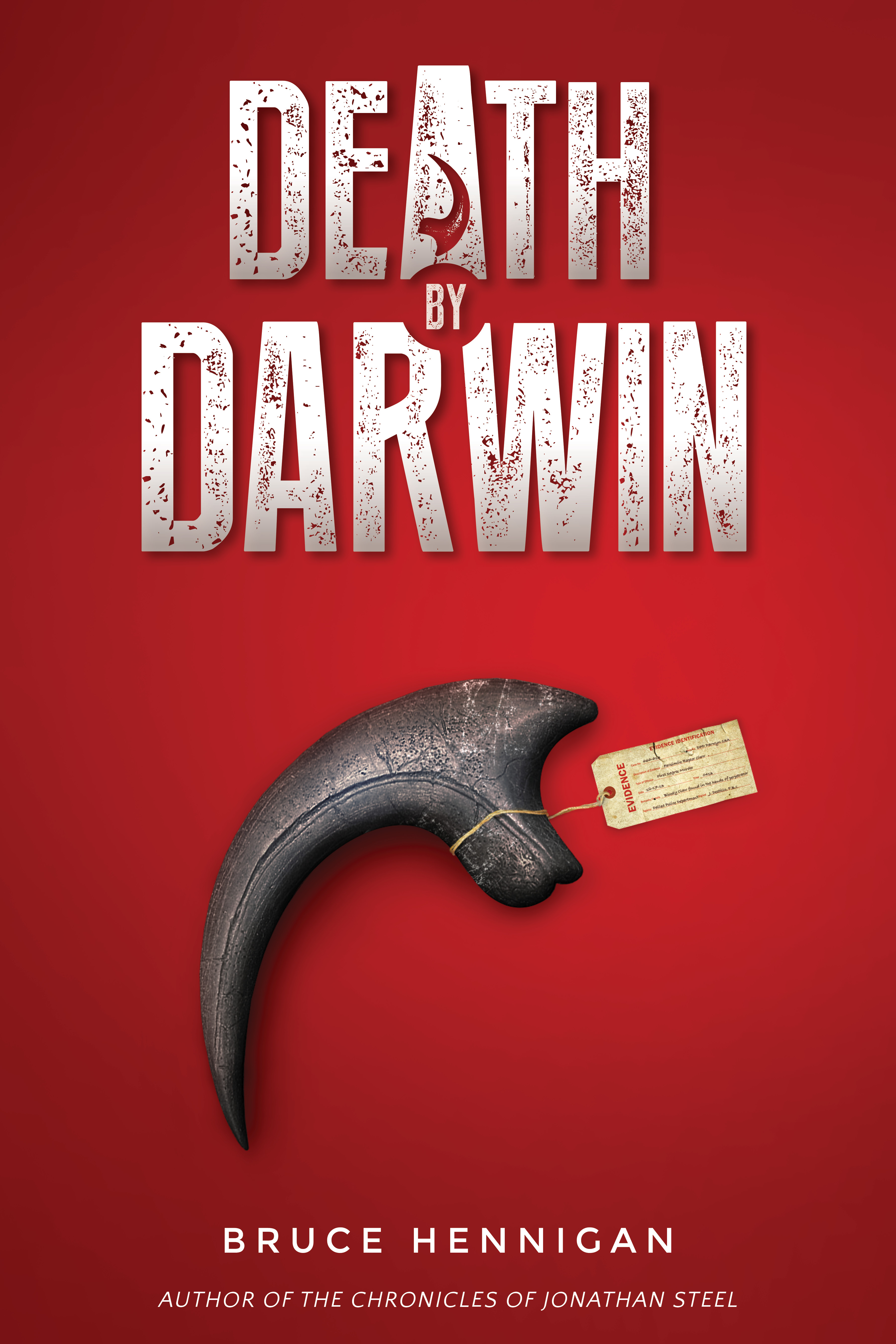
In my book, “Death By Darwin” Ruth Martinez reveals her greatest regret in successfully defending the serial killer, Reginald Drake. Both characters figure prominently in “The Chronicles of Jonathan Steel”. In a tense courtroom scene, Ruth has to approach the “death” of the victim on the operating table during the harvesting of the victim’s organs for transplant. Was the victim still alive? What constitutes “death”? Ruth has put the coroner on the stand.
Ruth retrieved a folder from the witness table and placed it on the edge of the witness stand. “Dr. McCormack, this is your final autopsy report on the victim, correct?”
“Well, I prefer a PDF, but some of us are old school.” He nodded toward Judge Tucker. The jury chuckled and Ruth waited for the gavel to rap in vain. The laughter died down.
“You may laugh at death, Dr. McCormack. But, I do not.” Ruth said quietly. “Would you turn to page 135 for me, please.”
McCormack sighed and grabbed the folder with meaty hands. He licked his finger as he thumbed through the pages. “Page 135. You want me to read the whole page?”
“No, just the final cause of death, please.”
McCormack shrugged. “I can tell you what she died of.”
“I don’t want you tell me anything, Dr. McCormack.” Ruth said loudly. “I want you to read what you put in the official record as the cause of death. That is all that matters right now. This folder has been placed into evidence by the prosecution and I could care less what you think. I want to know what you wrote down. So read the last entry! Now!”
Ruth was startled at the ferocity of her own voice. McCormack’s face grew red and he smacked his lips. “I don’t like being talked to that way, young lady.”
“I am not a young lady, Dr. McCormack.” Ruth stepped closer. “And, while you and the judge play glad hands with each other, I can easily file an injunction for a mistrial. I have an entire room full of witnesses to your harassment of this attorney and your scorn and disregard for this court of law. Now, read the entry!”
Ruth’s voice echoed around the chamber and she waited for the gavel to fall. She was met with only silence. McCormack glared at her and looked down at the page. “Cardiorespiratory arrest.”
“Thank you.” Ruth reached forward and took the folder from him. “Now, I will ask you to please, in layman terms, tell this jury what that phrase actually means.”
McCormack pursed his lips and crossed his arms. “It means the heart stopped and the victim died.”
“The heart stopped. What about the brain?”
McCormack blinked. “What?”
“What about the brain? When did it die?” Ruth pressed on.
“Honey, the victim was beaten and suffered brain damage.”
Ruth nodded and felt nausea creep up her throat. “Brain damage. But, when did the brain die?”
McCormack shrugged. “I’m not sure what you’re getting at.”
Ruth tossed the folder back onto the evidence table and retrieved another folder. “Are you familiar with the Unified Declaration of Death Act of 1981, the statute that established the medicolegal definition of death?”
McCormack uncrossed his arms and shook his head. “Of course, I am. I’m the coroner. I know death when I see it.”
“So, isn’t it true that statute established a bifurcated definition of death?”
“Bifurcated? What the heck do you mean by that?” McCormack said. “Marshall, stop this nonsense.”
Ruth glanced at Tucker and he was leaning forward in his chair, his eyes narrowed. “I think you may be onto something, Ms. Martinez. Dr. McCormack answer the question.”
“But, Marshall.”
Tucker picked up his gavel. “Don’t make me use it.”
McCormack shrugged again. “I guess you mean the duel definition of death. Brain death versus cardiac death.”
“Exactly, Dr. McCormack. Now, let me ask you something. In your professional opinion as a medical doctor and the medical examiner for this county, is it possible for the brain to still be alive after the heart stops beating?” Ruth moved across the floor toward the stand, the other folder in her hand.
“Well, sure. That is why we use cardiopulmonary resuscitation. Keep the circulation going to keep the brain alive.”
“So, when the heart stops, the brain is still alive?”
“Technically, yes. But, the victim’s brain was—”
“What?” Ruth was at the stand now.
“Damaged.”
“But, was her brain dead?” Ruth asked.
McCormack opened his mouth and looked over her shoulder at Tucker.
“Don’t look to him for help. YOU are the expert. You said ‘you know death’. Only YOU can answer this question. Was the victim’s brain dead when her heart stopped?”
“No. Damaged but not dead.” McCormack said.
A key piece of legislature went before the Louisiana legislators a few years ago removing the requirement for two doctors to sign off on a certificate of death for patients donating their organs after death. Dr. Jeff White, a local cardiologist and expert on medical legal law, authored a position paper against the bill. You can read the paper here.
Read the rest of this entry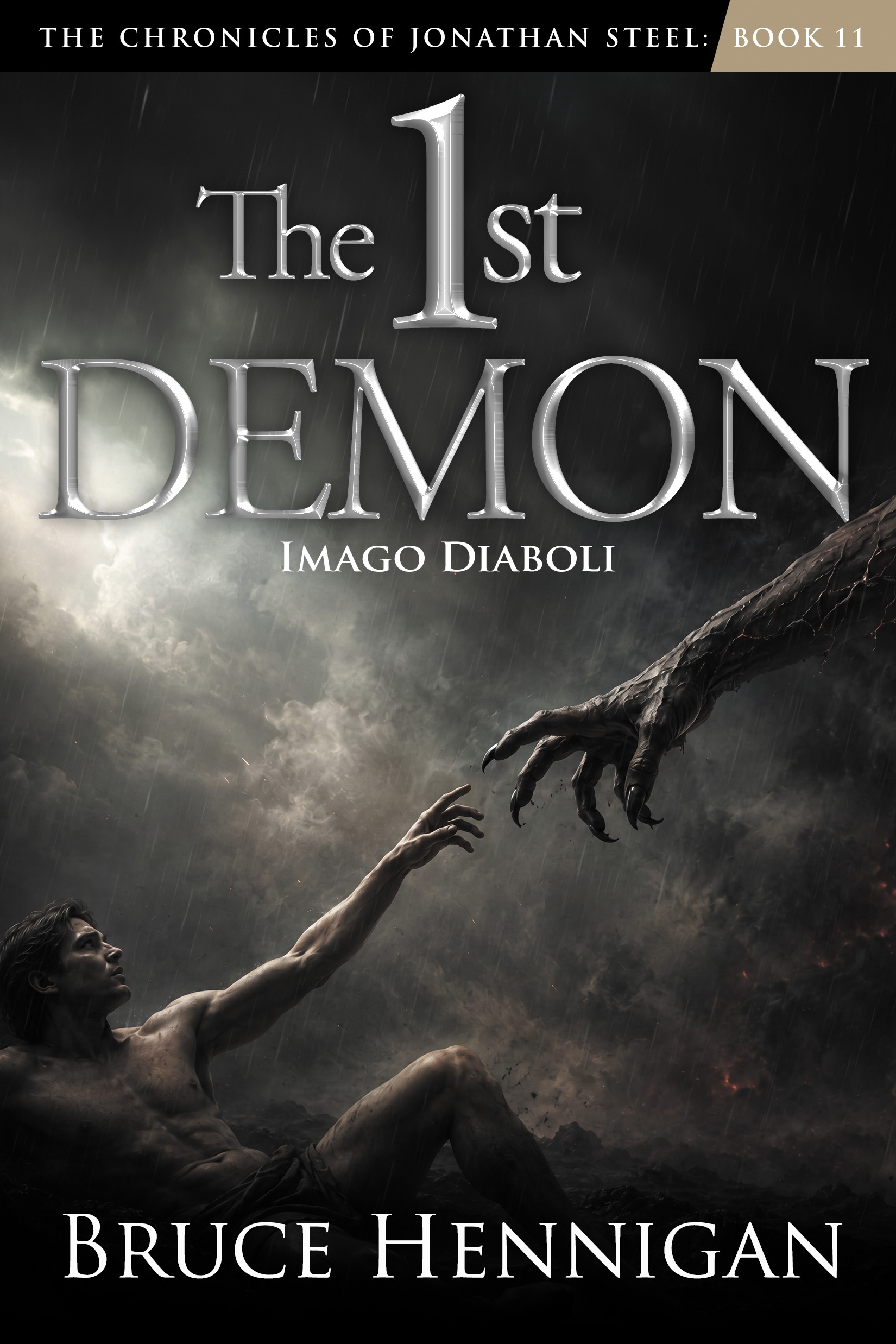


You must be logged in to post a comment.